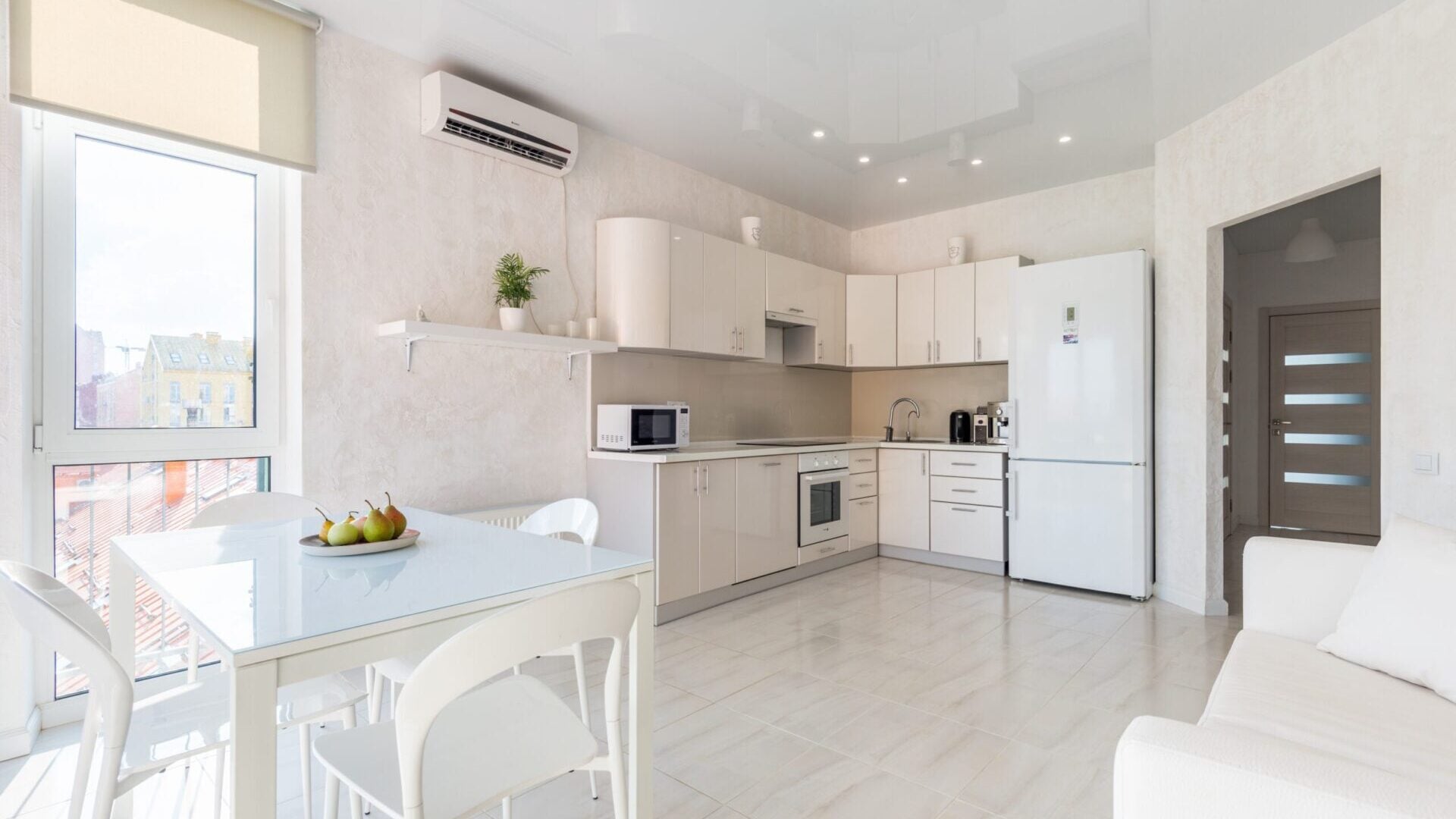
You start the microwave and the kitchen lights dip. A quick dim can be normal. A flicker that lasts or spreads can point to your panel or your wiring. Taylor’s electricians in Puyallup can find the cause, so call (253) 208-5315 to schedule a check.
What Happens When a Big Appliance Starts
Many appliances have motors or compressors. Think of your air conditioner, heat pump, fridge, washer, or vacuum. When a motor starts, it pulls a big burst of power for a split second. This is called inrush current.
That burst can cause a small drop in voltage on the circuit. Lights on the same circuit may dim for a moment. In a healthy system, the dip is brief and hard to notice. In a strained system, the flicker is easy to see.
When Flicker Is Normal and When It Is Not
A faint dim that lasts less than a second is often normal. It may happen when a large appliance first starts. Some signs, though, point to a bigger problem. Watch for these.
- Lights that dim for several seconds or longer
- Flicker in many rooms, not just one
- Lights that get brighter as well as dimmer
- Flicker that gets worse over weeks or months
- Warm outlets, buzzing, or a burning smell
If you see any of these, have a licensed electrician check your system soon.
Cause 1: Your Panel Is Short on Capacity
Your electrical panel sends power to every circuit in your home. Many older homes run on 100-amp service or less. That was fine when the home was built. Today, homes often add heat pumps, EV chargers, and new kitchen appliances.
When the panel runs near its limit, big loads can pull voltage down across the house. That shows up as flicker in more than one room. Breakers may also trip more often. Taylor can run a load calculation and handle panel replacements and upgrades when your home needs more room.
For more on this topic, read understanding electrical load and whether your panel is ready.
Cause 2: Too Much on One Circuit
Sometimes the panel is fine, but one circuit carries too much. A kitchen circuit might power the microwave, toaster, and lights. When the microwave starts, the lights on that circuit dip.
This kind of flicker stays in one room or area. An electrician can move some loads to a new dedicated circuit. That gives large appliances their own path for power.
Cause 3: Loose or Aging Wiring
Wiring and connections wear out with time. A loose wire at an outlet, switch, or fixture can flicker when the circuit gets busy. Heat and vibration can loosen connections over the years.
Older homes may also have aluminum or cloth-covered wiring. These can be riskier as they age. Read more about why old aluminum wiring puts your home at risk. Taylor offers electrical wiring and rewiring to replace worn wire and tighten up the system.
Cause 4: A Loose Neutral Connection
A loose neutral is one of the more serious causes. The neutral wire carries current back to the panel. When it is loose, voltage can swing high and low. Some lights may get brighter while others dim.
This problem can damage electronics and create a fire risk. It can start inside your panel or at the line from the utility. If your lights get brighter and dimmer, stop using large appliances and call a licensed electrician soon.
Can LED Bulbs Cause Flicker?
Sometimes, yes. Many LED bulbs do not pair well with older dimmer switches. The mismatch can cause flicker or buzzing, even with no appliance running. Try a bulb marked dimmable. Or ask an electrician to install a dimmer made for LED bulbs. If the flicker only happens when an appliance starts, the bulb is likely not the cause. A voltage drop on the circuit is the more likely reason.
What You Can Do Before the Electrician Arrives
A few simple notes can help your electrician find the cause faster. Keep track of what you see.
- Which appliance starts right before the flicker
- Which lights or rooms flicker
- How long each flicker lasts
- Whether bulbs are LED and on an older dimmer
Do not open your panel or try to tighten wires yourself. Electrical work can be dangerous without the right training and tools.
Sometimes the issue is the fixture itself. Taylor can repair fixtures through its interior and specialty lighting services. An electrical safety inspection can also check your whole system at once.
Get Answers From Taylor
Flickering lights are your home’s way of asking for a closer look. Taylor’s licensed electricians can find the cause and fix it the right way. The team serves Puyallup and homes across Pierce County. Call (253) 208-5315 to schedule a visit.