Thermostat Repair & Installation in Puyallup, WA
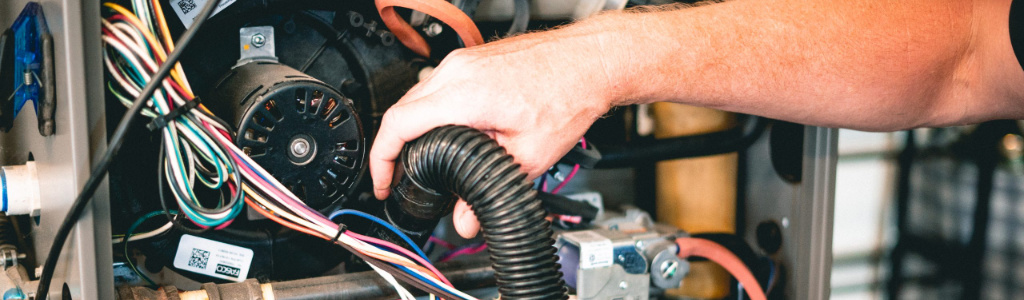
When a thermostat acts up in a Puyallup home, comfort drops fast. Rooms feel uneven, the system short cycles, or nothing responds when you change the setpoint. Taylor Heating, Cooling, Plumbing & Electrical handles thermostat repair and thermostat installation for homes across Puyallup and Pierce County, from newer subdivisions to older streets near downtown and the Washington State Fairgrounds.
Why Thermostats Matter in Pierce County Homes
Western Washington winters stay damp and cool for months. Summers are usually mild, yet heat waves still push cooling systems hard. Many Puyallup houses now rely on heat pumps that heat and cool through the same controls. A thermostat that misreads temperature or loses communication can leave a heat pump fighting itself, or a furnace running longer than it should.
Local housing stock adds another layer. Craftsman and mid-century homes closer to downtown Puyallup often have older wiring and wall locations that were never ideal for accurate sensing. Newer Puyallup and Summit-area builds may have multi-zone setups or smart controls that need careful setup. Either way, the control on the wall has to match the equipment in the mechanical room or attic. If it does not, you feel it in every season.
Common Thermostat Problems We See Locally
Blank or flickering displays often point to low batteries, a tripped breaker, or a failing transformer. In damp Pierce County basements and crawlspaces, corrosion on low-voltage connections shows up more than people expect.
A thermostat that will not hold a schedule may have a software glitch, a weak Wi-Fi link, or a mismatched mode setting after someone switched between heat and cool. Homes near tree-lined streets in Waller or Edgewood sometimes struggle with wireless signal strength if the router sits far from the hallway thermostat.
Short cycling after a setpoint change can mean the thermostat is mounted in a bad spot. Direct sun through a south-facing window, a draft from a return grille, or a kitchen heat plume can fool the sensor. The system then starts and stops based on the wall, not the rooms where you actually live.
When heat never arrives, the fault may sit in the thermostat, the control board, or the heating equipment itself. A technician sorts that chain carefully. If the furnace turns out to be the real problem, we move into furnace repair instead of swapping a thermostat that was working fine, and the same logic applies to a struggling heat pump.
Thermostat Repair: What a Visit Typically Covers
Repair starts with verification. We confirm power at the thermostat, check the C-wire or adapter setup on modern units, and test call-for-heat and call-for-cool signals at the equipment. We look at battery condition, terminal tightness, and whether the wiring matches the manufacturer diagram for your furnace, heat pump, or air handler.
Calibration and placement matter in older Puyallup floor plans where hallways run cold while living rooms run warm. Relocating a thermostat a few feet can fix complaints that look like equipment failures. We also clear dust from sensors and reseat connectors that vibrate loose over years of blower cycles.
If the control is obsolete or parts are no longer reliable, repair may not be the best path. In those cases we walk you through replacement options that fit your system type, including heat-only, conventional, and heat pump configurations common across Sumner, Graham, and Puyallup.
Settings get recorded after the repair so the next seasonal change does not undo the fix. That record helps if Wi-Fi credentials change or if another household member adjusts advanced menus later.
Thermostat Installation Matched to the System You Own
A new thermostat is more than a wall upgrade. Installation includes confirming stage counts, reversing valve settings on heat pumps, fan control logic, and lockout temperatures where outdoor sensors apply. Skipping that setup is a common reason new controls feel wrong from day one.
Most Puyallup homeowners end up choosing between three kinds of controls. A programmable thermostat runs a fixed weekly schedule. A smart or Wi-Fi thermostat adds app control, remote adjustments, and usage history. A heat pump compatible control manages changeover and auxiliary heat lockouts so backup heat only runs when the outdoor unit needs help. The right pick depends on your equipment and how predictable your household schedule is.
Smart and Wi-Fi models need stable power and a clear path to your network. We label low-voltage wires, secure the sub-base on uneven plaster or textured drywall, and verify each mode before we leave. For multi-stage systems, we confirm that first and second stage calls actually reach the outdoor unit or furnace.
After install, seasonal habits still matter. Pairing a correctly set thermostat with regular heat pump maintenance keeps sensors and equipment working together through Puyallup’s wet winters and late-summer warm spells.
Local Factors That Affect Thermostat Performance
Marine air and indoor humidity swings can affect how rooms feel even when the setpoint looks right. Homes with crawlspaces or unfinished basements often have temperature stratification that a single hallway thermostat cannot fully capture. Newer two-story Puyallup homes with open foyers face the same issue in reverse: warm air rises, and the thermostat downstairs may overcool upstairs rooms.
Wildfire smoke seasons and long rainy stretches also change how often people adjust schedules. Occupancy patterns around school calendars and the late-summer fair season mean setbacks that worked in spring may frustrate you by September. A correctly programmed control reduces that friction without constant manual tweaks.
Neighborhood microclimates matter more than people think. Homes tucked along the river valley can sit in morning fog while higher ground in Puyallup clears earlier. That difference changes how long heat runs before the thermostat satisfies. A control that worked in a previous house in Tacoma may feel off after a move to Puyallup simply because runtime patterns changed.
Complaints also spike when daylight saving time shifts schedules and overnight setbacks suddenly feel too aggressive. Rebuilding a gentle ramp into morning heat often solves what looked like a hardware fault. Small programming details like that are part of a thorough thermostat visit, not an afterthought.
When to Repair Versus Replace the Control
Repair makes sense when the hardware is current, wiring is sound, and the fault is isolated (dead batteries, loose terminals, or a recoverable configuration error). Replacement makes sense when the display fails repeatedly, the unit cannot support your heat pump stages, or you need features your old model simply lacks.
We explain findings in plain language, with clear options tied to how your home actually runs. If cooling complaints overlap with control issues, we can also evaluate airflow and equipment through air conditioning repair when that path fits the diagnosis.
Taylor has served Western Washington homes since 1984.
Thermostat Repair & Installation FAQs
How do I know if my thermostat needs repair in Puyallup?
How do I know if my thermostat needs repair in Puyallup?
Look for blank screens, room temperatures that disagree with a reliable thermometer, ignored schedules, or a system that keeps short cycling. If those signs appear after a power blip during fall storms, the control may need a reset or a deeper check from a technician.
Can you install a thermostat that works with my heat pump?
Can you install a thermostat that works with my heat pump?
Yes. Heat pumps need the correct changeover settings, staging, and auxiliary heat lockouts, so we match the thermostat to your outdoor unit and air handler. When testing shows the outdoor unit itself is the weak link, our heat pump repair technicians take it from there so you are not left guessing which part failed.
Do older downtown Puyallup homes need special wiring for new thermostats?
Do older downtown Puyallup homes need special wiring for new thermostats?
Sometimes. Many older homes lack a dedicated common wire, which most smart thermostats need for steady power. We evaluate options that fit your equipment without guessing. Wall condition and thermostat location also matter in plaster walls near the Meridian and Pioneer corridors.
Why does my upstairs stay warm while the thermostat is downstairs?
Why does my upstairs stay warm while the thermostat is downstairs?
Single-thermostat homes with open stairs often stack heat upstairs. Placement, fan settings, and balancing dampers all play a role. We diagnose whether the control, airflow, or equipment is driving the complaint before recommending a fix.
How should I prepare for a thermostat service visit?
How should I prepare for a thermostat service visit?
Clear access to the thermostat and to the furnace or air handler, and note recent changes such as a new router, battery swaps, or error codes. Because a thermostat call often uncovers issues with the equipment it controls, our technicians can flag anything that falls under our broader heating services while they are there. Call (253) 208-5315 to set a time.
Connect with a Specialist
New Heating or Cooling System with Convenient Financing Options, subject to approved credit.
Looking for a Repair?
Take advantage of these great offers-
$59.99 + Tax Diagnostic Fee
-
90-Day Warranty (Parts) On Completed Repair
-
30-Day Warranty (Labor) On Completed Repair
